Sector Spotlight: Remedial & Forensic
Caring for Existing Assets: Introducing Intrax’s Asset Remediation Capabilities
Buildings and infrastructure are expected to perform reliably for decades. However, time, usage, environmental exposure and changing standards all take their toll. Across Australia, asset owners are increasingly focused not just on building new assets, but also on sustainability by conserving the existing assets by preserving, repairing and extending the life of what already exists.
This is where Intrax’s Asset Remediation Capabilities can play a vital role.
This first article marks the beginning of a bi-monthly blog series dedicated to remedial engineering, asset management and the practical realities of maintaining the built environment. Our aim is to share insight from our engineers, clarify what “remedial” really means, and demonstrate how early, informed intervention can protect value and reduce long term risk.
If you manage, own or advise on existing assets, then this series is for you.
What Is Remedial Asset Engineering?
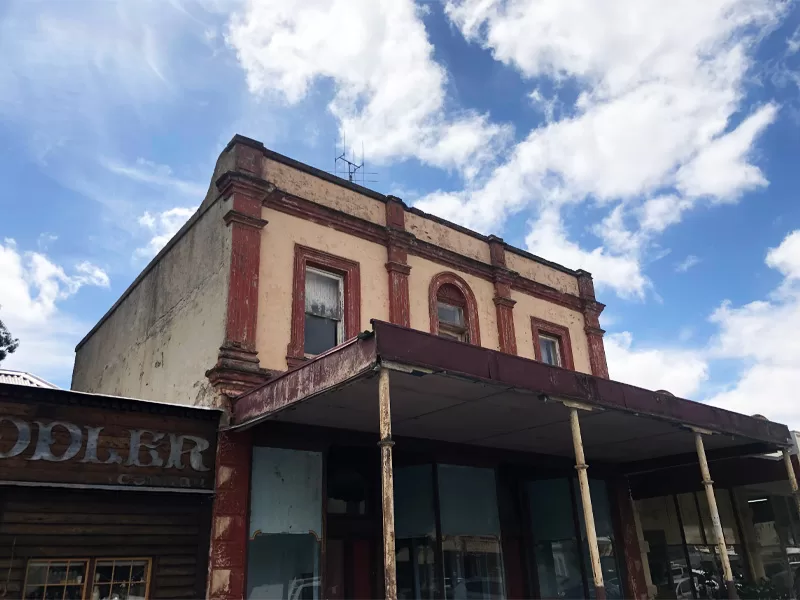
Remedial asset engineering focuses on the assessment, diagnosis, repair and ongoing management of existing buildings and structures. Unlike new-build design, remedial work responds to real-world conditions, often uncovering issues that have developed gradually and invisibly over time.
Typical triggers for remedial engagement include:
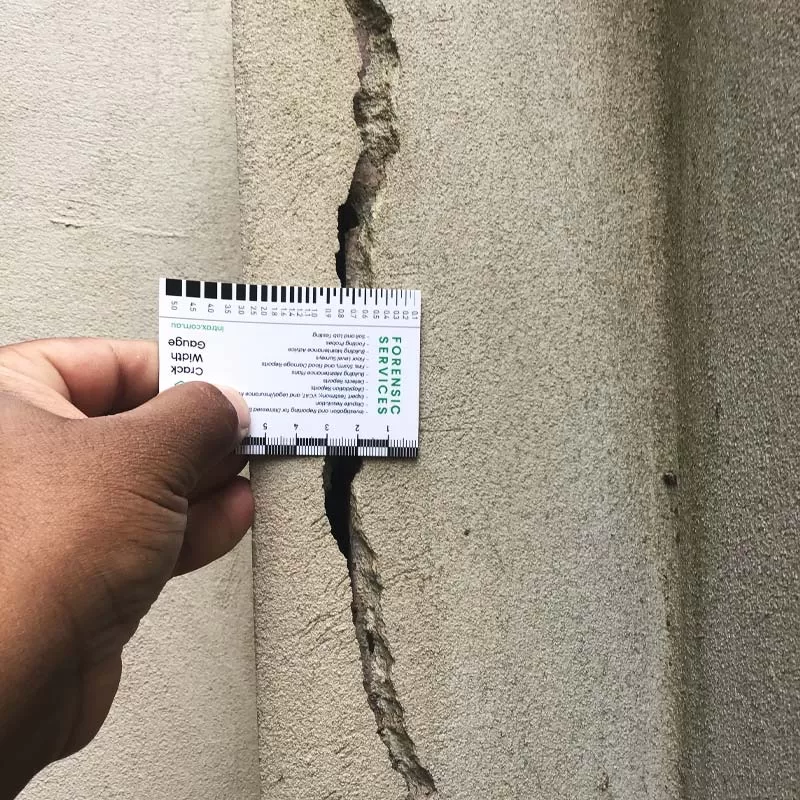
- Cracking, deflection or structural movement
- Concrete degradation, corrosion or water ingress
- Facade distress or falling-object risk
- Change of use or increased loading
- Asset condition audits and compliance requirements
- Serviceability or safety concerns raised by occupants
The goal is not only to fix visible issues, but to understand root causes, mitigate future risk and prolong asset performance in a practical, cost-effective way.
Why the Remedial Sector Matters More Than Ever
Australia’s building stock is ageing. Many residential, commercial, industrial and institutional assets were constructed under standards that have since evolved and are now operating beyond their originally intended service life.
At the same time, asset owners are facing:
- Rising costs of replacement and redevelopment
- Increased compliance and safety scrutiny
- Greater emphasis on sustainability and lifecycle value
- The need to minimise disruption to occupied buildings
In this context, remedial engineering is no longer reactive, it is strategic. Well-planned investigations and targeted remediation can significantly reduce capital expenditure, avoid unnecessary demolition and support long-term asset planning. Intrax has a proven history of excellence in asset remediation, and leverages our expertise to provide results for a suite of clients. Our services are needed now more than ever to ensure the long term prospects of Australia’s building and construction industry.
Intrax’s Approach to Asset Remediation
Intrax’s Asset Remediation services bring together a number of integral characteristics. This includes informed structural insight, in-depth forensic investigation as well as practical delivery experience. Our engineers work closely with asset owners, body corporates, facility managers, insurers and legal advisors to provide clear advice grounded in engineering principles.
Our approach typically involves:
1. Evidence-Based Investigation
We begin by understanding the asset, its history and how it is performing today. This may include site inspections, structural assessments, review of documents and targeted testing where required.
2. Practical Repair Strategies
Remediation must be proportionate, buildable and aligned with the client’s objectives. We develop solutions that balance technical rigour, cost, durability and constructibility.
3. Risk and Lifecycle Thinking
Beyond immediate rectification, we consider future performance, maintenance implications and risk exposure, thus helping clients make informed decisions about their assets over time.

Working Across Sectors and Asset Types
Asset remediation services can be provided across a range of sector and asset types, such as:
- Residential and mixed-use developments
- Commercial and industrial buildings
- Education, health and community assets
- Heritage and ageing structures
- Strata-titled and complex ownership environments
As Intrax also delivers new-build and advisory services, our remedial teams draw on broader structural experience, allowing us to challenge assumptions, test alternatives, and, if necessary, integrate remedial works with future development plans.
If you found this article interesting or pertinent in some way then you’ll be glad to learn that our upcoming articles will explore topics such as:
- Common causes of building defects and distress
- When to investigate and when to act
- Managing remedial works in occupied buildings
- The role of maintenance in reducing long-term costs
- Lessons learned from complex remedial projects